


-

Add: HeBei ShengShi HongBang Cellulose Technology CO.,LTD.
-

Email
13180486930@163.com -

CONTACT US
+86 13180486930




Understanding Methyl Cellulose and Its Pricing Dynamics Methyl cellulose, a water-soluble polymer derived from cellulose, has garnered increasing attention in various industries due to its versatile properties. As a key ingredient in food, pharmaceuticals, cosmetics, and construction, methyl cellulose plays a significant role in enhancing the quality and functionality of many products. However, the pricing aspects of methyl cellulose often raise questions among manufacturers and consumers alike. This article delves into the factors influencing the price of methyl cellulose, its applications, and the market trends that shape its economics. What is Methyl Cellulose? Methyl cellulose is produced through the methylation of cellulose, which is a natural polymer obtained from plant cell walls, particularly from wood and cotton. This modification process endows methyl cellulose with unique properties such as high viscosity, gelling ability, and water retention. Because of these characteristics, it acts as a thickener, emulsifier, and stabilizer, making it a popular choice in various applications. Applications of Methyl Cellulose 1. Food Industry Methyl cellulose is commonly used in the food industry as a thickening agent and a fat replacer. It helps improve the texture and stability of food products like sauces, dressings, and baked goods. Additionally, its ability to form gels at elevated temperatures is exploited in vegetarian and vegan food substitutes. 2. Pharmaceuticals In the pharmaceutical sector, methyl cellulose serves as an effective binder, coating, and disintegrant in tablet formulations. Its water-retaining properties are also valuable in the production of ocular solutions and laxatives. 3. Cosmetics Methyl cellulose is utilized in various cosmetic products for its thickening and stabilizing properties. It can be found in shampoos, lotions, and creams, contributing to the desired texture and overall feel of these products. 4. Construction The construction industry employs methyl cellulose as an additive in tile adhesives, joint compounds, and plaster. Its water retention and improved workability aid in creating durable and effective building materials. Factors Influencing the Price of Methyl Cellulose harga metilselulosa The pricing of methyl cellulose is influenced by several key factors, including 1. Raw Material Costs The primary raw materials for cellulose-based products, including cotton and wood pulp, can experience price fluctuations based on supply and demand dynamics. In addition, any changes to regulations affecting sustainable sourcing can also impact raw material costs. 2. Production Processes The manufacturing processes involved in producing methyl cellulose can be complex and energy-intensive. Advances in production technology can potentially reduce costs, but any disruptions—such as maintenance issues or the introduction of new regulations—can affect pricing. 3. Market Demand The growth of industries utilizing methyl cellulose directly impacts its demand. For instance, the rising popularity of plant-based food products has significantly increased the use of methyl cellulose as a vegan binder in food processing, contributing to fluctuating prices. 4. Geopolitical Factors International trade agreements, tariffs, and political stability in regions producing cellulose can affect the global supply chain, impacting both availability and pricing of methyl cellulose. For example, disruptions in trade can lead to supply shortages, subsequently driving up prices. 5. Technological Innovations As research advances, new grades and formulations of methyl cellulose are developed, often commanding different price points. Innovations that enhance performance or functionality can justify higher costs, while more efficient production methods can lower them. Market Trends and Future Outlook The methyl cellulose market is poised for growth, driven by expanding applications across various sectors. The trend toward clean label products in the food industry, coupled with an increasing preference for natural and plant-based ingredients, is likely to sustain demand for methyl cellulose. Additionally, advancements in production technology and heightened environmental awareness may foster more sustainable practices within the industry, influencing pricing trends. In conclusion, methyl cellulose plays an invaluable role across numerous industries. Understanding the factors that contribute to its pricing can help stakeholders make informed decisions. As demand for this versatile polymer continues to grow, staying attuned to market trends and shifts will be essential for navigating the complexities of methyl cellulose pricing.
- 40000tons

Production
- 20+years

Experience
- 5000+㎡

Acreage

-
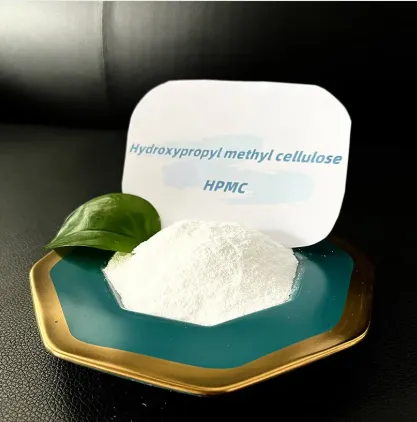
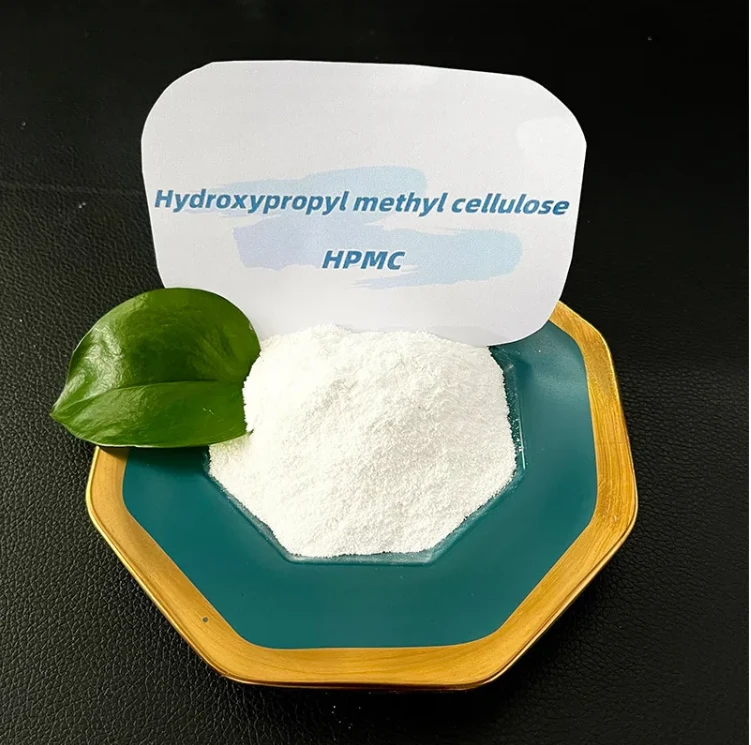
Hydroxypropyl Methylcellulose (HPMC) E5 is a versatile and essential ingredient in various industries, prized for its unique properties that enhance product formulation. As a low viscosity grade of HPMC, E5 offers a distinct set of characteristics highly valued by manufacturers. This article delves into the crucial attributes of HPMC E5, leveraging insights from industry experts and real-world applications to offer a comprehensive understanding of its benefits and usage. One of the standout features of HPMC E5 is its film-forming ability. This property is integral in the pharmaceutical industry, where HPMC E5 is commonly used as a coating agent for tablets. Its ability to form a uniform, adherent, and stable film ensures the protection of active ingredients, enhances shelf life, and improves the aesthetic appeal of tablets. The expertise of formulation scientists highlights that the use of HPMC E5 in coatings improves the swallowability and taste masking of oral dosage forms, making it a preferred choice among pharmaceutical developers. In the realm of construction, HPMC E5 serves as an essential additive in cement-based materials. Its water retention capability prevents premature drying and assures optimal curing, leading to increased strength and durability of the final product. Construction professionals underline that the inclusion of HPMC E5 in mortar formulations results in enhanced workability and open time. This facilitates easier application and adjustment of tiles or other construction components, minimizing waste and improving finish quality. The adhesive industry also benefits from the unique properties of HPMC E5 . The compound's thickening and rheology modification abilities enable the production of adhesives with superior stability and consistency. As experts in adhesive chemistry attest, HPMC E5 improves the bonding capacity and mechanical strength of adhesives, providing reliable performance across different substrates and environmental conditions. This versatility makes it an indispensable ingredient in formulating both household and industrial adhesives. hpmc e5 properties Personal care products, such as shampoos and creams, often incorporate HPMC E5 due to its excellent emulsification and stabilization properties. Cosmetologists and personal care formulators value HPMC E5 for its ability to maintain the integrity and homogeneity of creams and lotions. Its non-ionic nature ensures compatibility with various active ingredients, allowing for innovative formulations that cater to diverse consumer needs. Furthermore, HPMC E5’s gentle nature and lack of irritancy make it suitable for sensitive skin products, thus broadening its applicability in the cosmetics industry. From an expert perspective, the adaptability of HPMC E5 across different formulations and industries underscores its significance. Its non-ionic and cellulose-based nature ensures environmental compatibility and safe usage, aligning with the growing consumer demand for sustainable and eco-friendly products. Manufacturers leveraging HPMC E5 can assure their clientele of high-quality, reliable, and effective products, bolstering trust and authority in their respective markets. Trustworthiness in utilizing HPMC E5 is reinforced by thorough testing and compliance with regulatory standards, which are critical for product safety and efficacy. Collaboration with experienced formulation scientists and adherence to stringent quality control measures guarantees that products incorporating HPMC E5 deliver consistent and dependable performance. In conclusion, HPMC E5 stands out due to its unique properties that serve a wide array of applications, ranging from pharmaceuticals and construction to adhesives and personal care products. Its esteemed position is further corroborated by industry expertise and practical experience, which collectively affirm its role as a high-value ingredient. By integrating HPMC E5, manufacturers not only optimize product performance but also ensure an authoritative and trusted presence in their sectors.
-
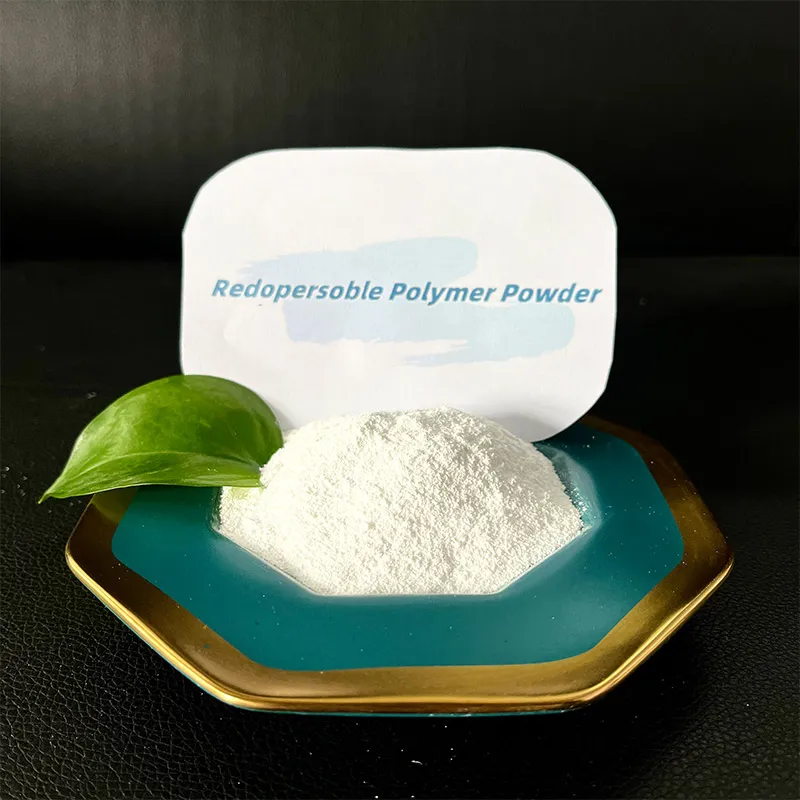
Powder rubber, an increasingly popular material in various industries, offers a myriad of applications ranging from automotive to packaging. Born from the need to recycle and repurpose end-of-life rubber products, powder rubber provides an eco-friendly alternative with far-reaching benefits. This article aims to explore the unique properties and applications of powder rubber, backed by insights and experiences from industry experts, while highlighting its expertise, authoritativeness, and trustworthiness. Powder rubber is derived from the grinding process of vulcanized and cured rubber , most commonly from used tires. The process yields a fine, powdery material which retains many of the original rubber's properties, such as flexibility, elasticity, and durability. This makes it a prime candidate for integration into new products that can benefit from these characteristics. In terms of experience, manufacturers utilizing powder rubber have reported significant improvements in their end products. For example, automotive companies have incorporated powder rubber into tire formulations, resulting in a reduction of raw material costs and an enhancement in tire performance due to its excellent abrasion resistance. Similarly, powder rubber is used in asphalt mixtures, offering improved road durability with reduced cracking—a direct benefit observed by municipal governments focused on infrastructure resilience. Expertise in the formulation and application of powder rubber is crucial. Process engineers emphasize the importance of particle size and distribution, which directly affect the performance attributes of the final product. Expertise in selecting the right grade of powder rubber for specific applications can vastly influence product success. As a result, companies often collaborate with specialized rubber compounding experts to tailor solutions that meet specific performance criteria. Authoritativeness is established through numerous case studies and research reports that back the efficacy of powder rubber. Research conducted by leading materials science institutions shows that products containing powder rubber can exhibit enhanced tensile strength and resilience under stress. Furthermore, rubber industry conferences often feature discussions centered around technological advancements in processing techniques for powder rubber, underscoring its growing importance in the materials science domain. powder rubber Trustworthiness stems from the commitment of the powder rubber supply chain to sustainability and quality control. Reputable suppliers offer thorough documentation and quality assurance processes, ensuring that each batch of powder rubber meets stringent standards. These safeguards build confidence among manufacturers who integrate powder rubber into their products, knowing that they contribute to an eco-conscious lifecycle. An insightful example can be drawn from the footwear industry, where powder rubber is frequently used in shoe soles. Brands committed to sustainable practices leverage this material to create eco-friendly products without sacrificing comfort and durability. The positive consumer feedback and repeat purchases substantiate the trust in powder rubber as a reliable material choice. The future of powder rubber looks promising, with ongoing research aimed at expanding its use in new arenas such as 3D printing materials and advanced composites. With continued investment in research and industry collaboration, powder rubber is poised to become a cornerstone of sustainable material innovation. It not only supports recycling initiatives but also offers a practical solution to the growing demand for high-performance, environmentally responsible materials. In summary, powder rubber represents a confluence of innovation, sustainability, and practicality, holding a significant place in modern manufacturing paradigms. Its utilization in diverse sectors serves as a testament to its versatility and effectiveness. As more industries recognize its potential, powder rubber will undoubtedly continue to shape the future landscape of eco-friendly materials and products.
advantages
-

200000 Viscosities
Excellent product
We can produce pure products up to 200,000 viscosities
-

40000 tons
High yield
We don’t stop production all year round, and the annual output can reach 40,000 tons
-

24 hours
Quality service
We provide 24-hours online reception service, welcome to consult at any time
———— Inquiry Form
Schedule A services
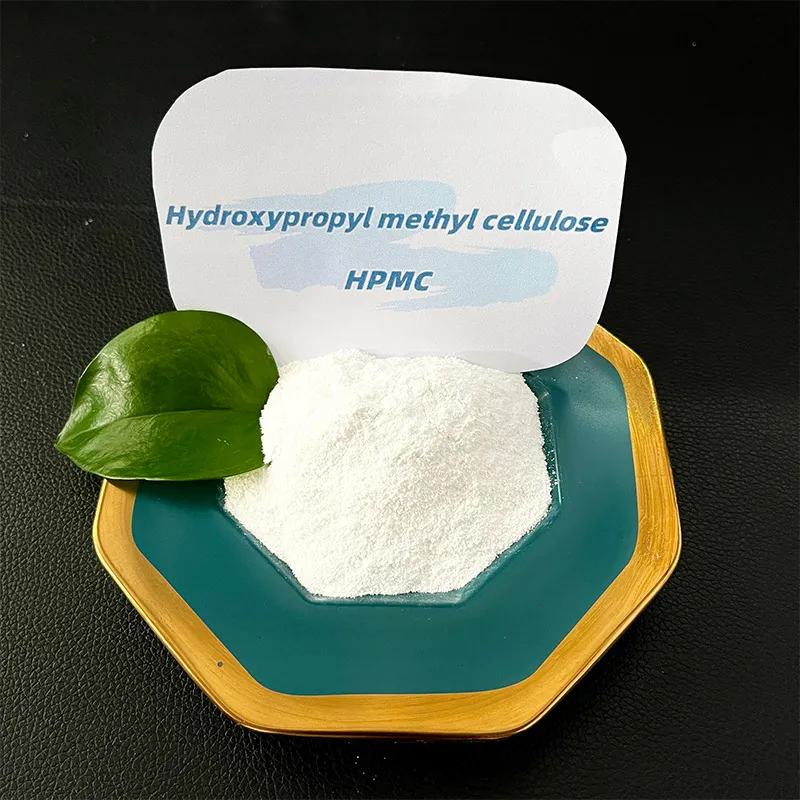

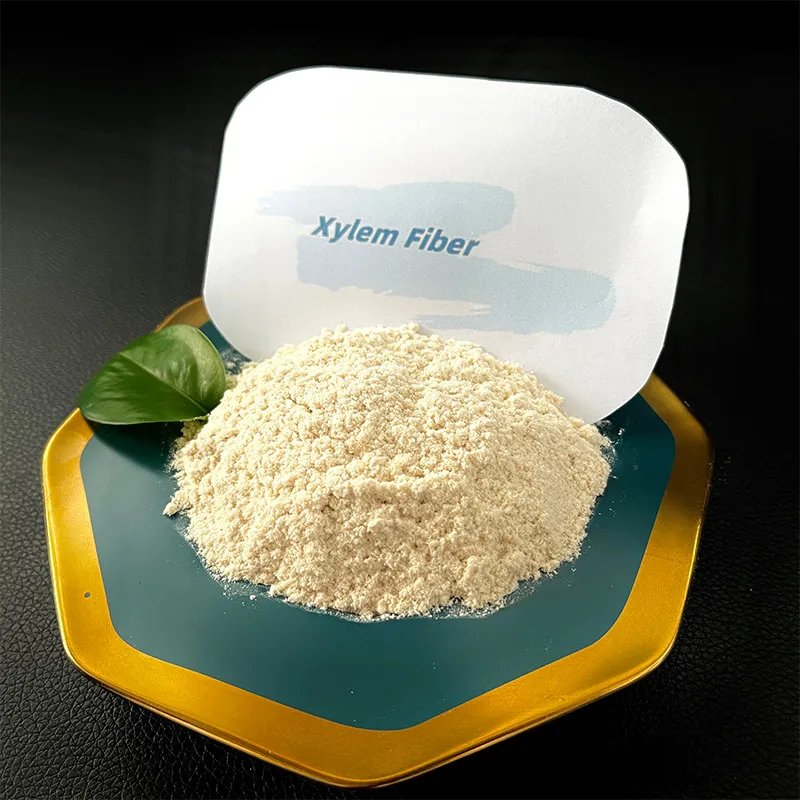
-
 synthetic_fiber_concrete
Oct . 25, 2025
Rubber powder, an increasingly significant material in various industrial applications, exhibits uni - polymer_for_detergent_powder
Oct . 25, 2025
The Emergence of Wood Pulp Fiber A Sustainable Alternative In recent years, the pursuit of sustainab -
 starch_eter_para_sa_pagtatayo
Oct . 25, 2025
Raw Materials for Synthetic Fibers An Overview Synthetic fibers have become an integral part of our


